Origine® Notes from the practice
Insights.
When product advantage disappears, meaning is what compounds.
Insights is where the studio writes down what it has learned. Each note is a diagnosis drawn from a real engagement, the shape underneath the symptom the buyer usually names first. Not tips, not checklists. Read them in any order. If one of them sounds like your brand, we should talk.
The notes ask the questions we hear most from brand and marketing leaders whose team has quietly outgrown the rules behind the brand. What is a real foundation? Why does polished content still fall flat six months after the shoot? What separates a transformation that holds from one that stops at a new logo?
What is the difference between a studio, an agency, and a consultancy, and which room does the work you are trying to do actually need? Why can no amount of media spend rescue a brand whose meaning is unresolved? How does a brand stay coherent as it walks into a second and a third market?
Origine writes to be read by the person who signs the check. Every note is written so that by the time you finish it, you should know whether the room we run is the right room for your brand. If it is, we will make the introduction easy.
Nicolas AbouFounder & Creative Director · Origine® Strategic Studio · Montréal + London
01
↓↑What a Brand Foundation Actually Is (And Why Brand Guidelines Aren't One)
by Origine · Apr 23, 2026 · Branding
01
What a Brand Foundation Actually Is (And Why Brand Guidelines Aren't One)
by Origine · Apr 23, 2026 · Branding
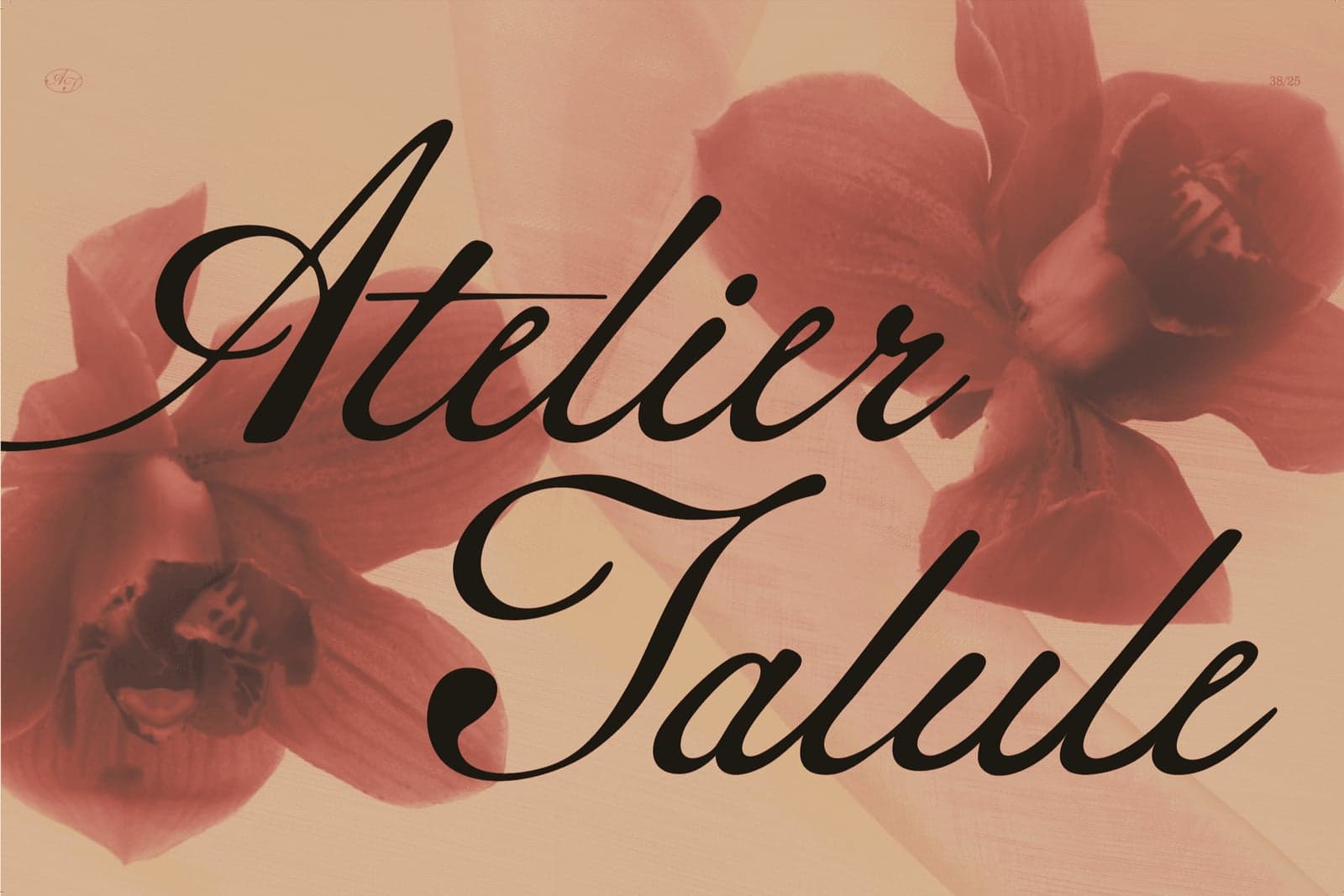
The brand was cohesive when it was small. Every decision passed through the same few hands. The tone was consistent because one person held the standard. The visuals felt right because the same eyes approved every image.
Then the team grew, new hires arrived, agencies were brought in, channels multiplied. And slowly, the thing that made the brand feel like something started to drift. Social posts looked different depending on who made them. The website said one thing, the pitch deck said another. The team asked "is this on brand?" and nobody could answer with confidence.
This is the most common pattern we see in brands that come to us. Not failure. Growth. The brand outgrew the rules behind it, and nobody noticed until the inconsistency was already visible to the audience.
What they usually need is not a rebrand. It's a foundation.
Why Brand Guidelines Are Not a Foundation
This distinction matters because it changes what you invest in and what you expect from the investment.
A brand book is a deliverable. It contains a logo, a colour palette, typography rules, and some usage guidelines. It is useful. It is also not enough. Most brand books sit in a shared drive and get opened twice: once when they arrive and once when someone new joins the team. Within six months, the shortcuts start. Within a year, the brand looks like it did before the project.
A foundation is the system underneath the brand book. It includes the positioning: why this brand exists and who it is for. The messaging architecture: what the brand says and how it says it. The visual identity: the design system that makes the brand recognizable. And the implementation plan that tells the team how to use all of it without routing every decision through one person's desk.
The difference is operational. A brand book gives rules. A foundation gives rules, reasons, and a system for maintaining them. The rules alone are not enough because people break rules they don't understand. When the team knows why a colour was chosen and what the positioning protects, they make better decisions on their own. Understanding the reasons behind the rules is what makes them stick.
The Real Problem We Solve
Most brands that reach out to us describe the symptom first. "We need a new look." "Our content is inconsistent." "We did a rebrand and it didn't stick."
The symptom is real. But the problem underneath is almost always the same. There is no strategic foundation holding the brand together. The visual identity exists. The messaging was written once. But nothing connects them into a system that the team can follow independently.
We see this pattern across very different businesses. A family brand with three generations of craft tangled together. Nobody could see which entity needed to stand alone and which needed to share a foundation. A wellness brand that had beautiful content but no strategic brief behind it. Every shoot produced images that looked good individually but told no story together. A practice running three separate brands from the same desk, each speaking a different language to the same audience.
In every case, the surface looked fine. The architecture underneath was missing.
What a Foundation Contains
A brand foundation built to last includes five connected layers. Not five separate documents. Five layers that reference each other and hold together when the team is making decisions on its own.
Positioning. The statement of why the brand exists, who it serves, and what it offers that nobody else does. This is not a tagline. It is the strategic anchor that every other decision tests against. When a team member asks "should we do this?" the positioning gives the answer.
Messaging architecture. The hierarchy of statements that communicate the brand's promise across different contexts. Not one message repeated everywhere. A system of messages calibrated for different audiences, stages, and channels. The homepage says something different from the proposal, but both draw from the same strategic foundation.
Visual identity system. Colour, typography, photography direction, layout principles, and the rules governing their use. The word "system" matters. Individual design choices are not enough. The system defines how those choices work together across every touchpoint, from a social post to a storefront.
Brand guidelines. The practical document that translates everything above into daily use. It should be actionable, not decorative. If a new hire cannot use the guidelines to make a brand decision without asking for a ruling, the guidelines are not finished.
Implementation roadmap. The plan for rolling out the foundation across existing touchpoints, training the team, and building accountability for consistency. Without this layer, the other four become a shared drive folder that nobody opens after month one.
Why the Rebrand Didn't Stick
This is the question we hear most often. "We invested in branding before and it didn't change anything."
When we look at what happened, the answer is usually the same. The previous engagement delivered outputs without the strategic layer or the implementation support to make them stick. A logo was designed, a palette was chosen, a brand book was produced. But nobody built the positioning, nobody wrote the messaging architecture, and nobody created the system that connects the visual identity to the strategy. No one stayed to make sure the team could follow the rules after the project ended.
Files without a system behind them are decorative. They look professional in the shared drive. They do not change how the team makes decisions. That is why the investment felt wasted and why skepticism about branding as a discipline is understandable.
The fix is not more files. It is a foundation that connects strategy to execution and a standing partnership that catches drift before it compounds.
When we built the brand foundation for Atelier Talule, the engagement began with architecture, not design. Three generations of jewelry craft needed a strategic framework before any visual work could begin. We separated two entities that had been tangled together, built a shared foundation for both, and produced the first work under those rules. The brand book was one deliverable among many. The system it lived inside was the actual product.
When You Need a Foundation (Not a Facelift)
A facelift refreshes the surface: new colours, new fonts, a new website design. It feels good for a few months. But if the problem is structural, the surface change does not solve it.
You need a foundation when:
The team cannot make brand decisions independently. Every approval routes through one person. That person is tired and the team is waiting.
Growth is creating inconsistency. New hires interpret the brand differently, new channels expose gaps, and the brand looks different depending on who touched it last.
The last branding project delivered files but not a system. The brand book exists but the team does not use it because it tells them what the brand looks like, not why.
Content production is expensive but underperforming. Shoots produce images that are technically good but strategically empty. The gallery looks like the category, not the brand.
These are not failures. They are the natural consequence of growing without a system. Recognizing the pattern is the first step toward building one.
How This Work Begins
We start with a strategic diagnostic. Not a creative brief. A diagnostic that identifies the real problem, not just the one described in the first email. We map the brand architecture, clarify the positioning, and build the messaging framework before any visual or production work begins.
From there, we build the visual identity system and produce the first content under the new rules. Then, for the brands that want continuity, we stay. We review content, advise on new initiatives, and protect the thread between the original foundation and daily execution.
The work is not a project with a start and end date. It is a partnership that builds over time. The foundation is the starting point. What follows depends on what the brand needs to grow without losing the thing that made it worth building.
If something we described here sounds familiar, that is where we begin.
02
↓↑Why Your Content Looks Good and Still Isn't Working
by Origine · Jul 12, 2026 · Strategy
02
Why Your Content Looks Good and Still Isn't Working
by Origine · Jul 12, 2026 · Strategy

The shoot went well. The images came back polished, the grade is consistent, the feed looks composed. Then the content goes out and nothing moves. No lift in attention, no new conversation, no one deciding this brand is worth a closer look. The work looks right and still does not do anything.
It is a strange kind of disappointment, because nothing obviously went wrong. The photography is good. The editing is good. The budget was spent the way it was supposed to be. And the brand is no more legible than it was before the camera arrived.
The folder nobody uses
You have probably seen the folder. Two hundred frames come back, and the team quietly builds from thirty. The rest are technically fine and quietly wrong, a little off-tone, a little off-audience, a little too close to what three competitors already posted this month. They sit in a shared drive and get opened once.
The feed that results is consistent in color and hollow in story. The images could be swapped with a competitor's and nobody would notice. They stop no one mid-scroll. Worse, the pattern repeats: the next shoot is briefed the same way, produces the same folder, and the team slowly stops believing that content spend does anything at all. This is not a talent problem, and it is not a budget problem. The problem sits earlier than the shoot, before anyone picked up a camera.
What creative direction actually decides
Here is what actually happened. The content was produced before anyone decided what it was for.
A production company answers a brief. It does not challenge one. Hand it a shot list and it will deliver the shot list, faithfully and on time. What it cannot do is ask the question that decides whether any of it matters: what does this brand mean to the person seeing it, and what should they feel that they feel about no one else in the category?
When that question goes unasked, the work has no filter. Every frame is defensible and none is necessary. Direction was missing, so the camera defaulted to what looks good on the day instead of what is true about the brand. The result is competent, and competent is not the same as chosen.
A strategic brief answers three things first
Before a good shoot, someone has decided the answers to three questions, and written them down where the camera can be held to them.
- 1What does the brand mean, past what it sells?
- 2Who is the work for, and what do they feel here that they feel about no one else?
- 3What must every frame do to earn its place?
A brief that answers those is a filter. A brief that only lists deliverables is a wish, and that difference decides everything that happens on set.
Professional stopped being the difference
This used to matter less. Production quality was itself a signal, and a brand that invested in a real shoot looked visibly ahead of one that did not.
That gap has closed. The same tools, templates, and polish are available to every brand in a category now. Clean and professional is the baseline, not the edge. When everyone can produce a good-looking frame, the good-looking frame stops being the reason anyone chooses you.
What separates the brands people keep choosing is not production value. It is intent, a reason behind the frame that a competitor cannot copy by hiring the same photographer. Intent is not added in the edit. It is decided before the camera comes out, and it survives to the final frame only when the person who holds the strategy also directs the work.
We decide what a brand means before we decide how it looks
We work in the other order.
Every project starts as strategy: what the brand stands for, who it has to move, and what the work has to say that no competitor could say in its place. Only then does the shoot get planned, because now there is something to plan against. The camera is not the start of the work. It is the proof the thinking was right.
That is the difference between a studio that thinks and a vendor that shoots. The thinking is the product. The images are how you know it worked. And when the same mind holds the strategy and directs the set, nothing is lost on the way from the idea to the frame, because there is no handoff for it to get lost in. That is what a creative campaign built on strategy is, rather than a shoot with a brand's logo on it.
What that looked like for Joy Wellness
A wellness club in Montreal came to us days before its first campaign, the moment a brand makes its first impression on the world. Every spa in the city sells the same picture: steam, wood, eyes closed. We set one standard before the shoot existed. Make someone want to see themselves in it.
That led to a decision that was strategic, not aesthetic. The person in the frame would wear a suit. Joy's real audience was not the person who already lives in wellness spaces. It was the professional downtown who has not yet given themselves permission to. So we built an emotional direction for each room, pride after the cold plunge, stillness under the red light, and directed every frame against one question. Does this make that person want to be here?
The images became the brand's entire visual foundation, across its site, its social, its paid campaigns, and its press. The Noovo Moi national feature alone reached 3.7 million. Three downstream agencies built their own launch work on the creative direction we set. None of that came from a better camera. It came from deciding what the brand meant before deciding how it would look.
Where this starts
If the content looks right and still is not working, the gap is almost never in the production. It is in the decision that should have come first, the one a camera cannot make for you.
That decision is where we begin. If something here sounds like your situation, that is where we start.
03
↓↑What a Brand Transformation Actually Is (and How It Differs From a Rebrand)
by Origine · May 21, 2026 · Method
03
What a Brand Transformation Actually Is (and How It Differs From a Rebrand)
by Origine · May 21, 2026 · Method

A team lead writes in and asks about a brand transformation. On the call, the room fills with three different pictures of what that means. Somebody imagines a new visual identity. Somebody else imagines the positioning being rewritten from the top. A third person imagines the whole company changing what it sells and who it sells to. All three are called the same thing. Only one of them is the project that actually needs to happen.
Every real transformation begins with that sorting. If the wrong one gets scoped, the money still moves, the deliverables still ship, and the brand still looks new in the deck. And six months later the team is in the same room asking the same questions, because the layer that was drifting never got touched.
The three things people mean when they say transformation
The first is a visual refresh. A new logo, a new palette, tighter typography. It is the fastest to sell and the fastest to install. It is also the one that fails most often, because when the problem underneath is strategic, dressing the surface changes nothing about how the team makes decisions on Monday morning.
The second is a positioning rewrite. What the brand stands for, who it serves, and what it offers that a competitor could not offer in its place. This is the layer that usually needs the work when a business has grown past its original story. The team feels the drift as a series of small symptoms, and the diagnostic keeps coming back to the same place: the position was set for a smaller version of the company, and it does not hold at the current size.
The third is a re-founding. A change to what the business does, who it does it for, or how it makes money. Sometimes the brand transformation is the visible surface of a change that has already happened commercially and needs to be admitted publicly. Sometimes it precedes a commercial change the leadership has committed to but not yet shipped. Either way, the visual work follows the strategic work, and the strategic work follows a decision that lives with the board.
The one you cannot afford to skip
In our experience, most inbound conversations begin at surface one and belong at surface two. The team names the visual problem because the visual problem is the one everyone sees. The real work sits underneath.
That is why every serious transformation opens with a diagnostic before any visual direction is drawn. We look at what the brand has been trying to say, what the audience has been receiving, and where the two stopped matching. We look at how the team makes brand decisions today, which decisions the founder still holds because nobody else can, and where consistency is being maintained by memory rather than by a system. The diagnostic is the difference between fixing what a client named and fixing what a client needed.
What actually changes
A real transformation touches four layers, and each one is calibrated to the diagnostic. The positioning states why the brand exists, who it is for, and what it offers that no competitor could offer in its place. The messaging architecture is the hierarchy of statements that carries the position across every context the team writes into, from the homepage to the deck to the founder's LinkedIn. The visual identity is the design system that makes the brand recognizable at every touchpoint, calibrated to the positioning rather than to a mood board. The implementation plan is the operating layer that lets the team run the brand without routing every decision through one person's desk.
None of these are documents. All four of them are systems. That distinction is where most rebrands break, because a document sits in a drive and a system sits in the way the team works. It is why we open a rebrand by finding what is still true, then rebuilding the expression around it.
Why it does not stick when it stays surface
The pattern we hear most often is that the last agency delivered files. Beautiful files. A brand book that reads well and a logo the team is proud of. But the strategic layer was assumed rather than built, the implementation layer was skipped entirely, and inside six months the team is asking on Slack whether a new microsite counts as on brand. Nobody can answer with confidence because there is no source of truth that ties the visuals back to the strategy.
Files without a system behind them are decorative. They look professional in the shared drive. They do not change how the team makes decisions, and that is the layer a transformation has to reach if it is going to hold.
What we did for Atelier Talule
The first thing we resolved at Atelier Talule was not a visual question. It was an architectural one. Three generations of jewelry craft had tangled into a single presentation, and nobody could see which entity needed to stand alone and which needed to share a foundation. Before any design work started, we separated the two entities, wrote the position each one had to hold, and built the messaging that ran across both. The visual identity followed the strategy. The first pieces of work under the new rules were produced by the same team that wrote them, so nothing was lost in the translation between what the brand meant and how it looked.
The transformation moved a family archive into a brand that could carry a national conversation. That is what a real transformation buys, and it is not a folder. It is a foundation the team can build on.
What this costs and what it protects
The cost of a full transformation reflects the scope: strategic diagnostic, positioning, messaging architecture, visual identity, first proof under the new rules, and the implementation plan that keeps the work honest after we leave. Every one of those layers is billable because every one of them protects the investment in the others. Skip the plan and the identity drifts. Skip the strategy and the identity has nothing to test against. What you pay for is the coherence between the layers, and the coherence is the product.
The number that decides whether this is worth it is not the price of the project. It is the cost of doing the wrong project and having to do it again in eighteen months. A full brand transformation is priced against that number, not against the last quote.
If the picture we described sounds like where the brand is, that is where the conversation starts.
04
↓↑Meaning Is the Only Edge Left
by Origine · Jun 09, 2026 · Thesis
04
Meaning Is the Only Edge Left
by Origine · Jun 09, 2026 · Thesis

The founder built the company on a product advantage. Then a competitor shipped the same feature, then a second one, and eventually the whole category learned it. Somewhere in the last two years the thing that used to argue the business quietly stopped arguing it, and the ads started needing to work harder to move the same audience.
This is the story of most premium categories right now. Not because the product got worse. Because the product got copied faster. The tools that used to separate a serious operator from a competitor are now available to anyone who wants to open a browser. The look, the polish, the technical baseline. All of it is at the counter.
What does not get copied is what the brand means to the person who is choosing it. That is the layer that has been quietly doing the heavier lifting on every purchase for as long as premium categories have existed. It is also the layer most brands never bothered to build, because the product advantage was doing the argument for them.
The disappearing product advantage
We work with brand and marketing leaders inside businesses that were built on real difference. Better ingredients, better engineering, better craft. Every one of them has watched the difference get flatter over the past three years, and some of them have watched it disappear entirely.
The disappearance is not a failure of the product. It is the natural end state of a category that has matured. Once the ingredient list is available to anyone, once the manufacturing partner is available to anyone, once the design software is available to anyone, the product ceases to be the reason a buyer chooses one operator over another. What decides the choice from that point onward is what the brand stands for and how it makes the buyer feel about themselves for choosing it.
Self-congruity, and what people actually buy
There is a well-studied idea in consumer research called self-congruity. People choose brands that look like who they are, or who they want to become. The choice is not rational in the way a spec sheet is rational. It is a mirror decision. The buyer is comparing the brand's picture of the ideal customer against the picture they hold of themselves, or the one they would like to grow into. When those two pictures line up, the sale becomes almost effortless. When they do not, no amount of feature copy will close the gap.
Premium buyers live in that ideal-self zone more than any other buyer. It is why they pay more, and it is why the pricing power of a real premium brand does not track the cost of goods. What the buyer is paying for is the recognition of who they are becoming. The product is the receipt. The concept for Joy Wellness was built on that read. The person in the frame wears a suit rather than a robe, because that reader had not yet given themselves permission.
Meaning made felt
Making something felt is a different job than making something clear. A clear brand has a website that explains what it does. A felt brand has a surface that makes the reader feel something before they read a word of it. The two are not opposed, but they are not the same, and the second one is where meaning actually gets built.
That is why we work in the order we work in. Strategy first, because a felt surface with nothing behind it is decoration and nobody stays. Then creative direction, because feeling is a craft, not an accident. Then production, because the frame is the proof that the thinking held. When the same mind runs all three, nothing gets lost in the translation between what a brand means and how it shows up. That order is what we mean by brand strategy: positioning, messaging, and identity built in one place so each carries the others.
Why AI accelerated this instead of resolving it
The reflex is to think that AI narrows the gap between a serious operator and a beginner, because both can now generate a good-looking asset in an afternoon. That is true. It is also the reason meaning became the only real edge.
When execution was hard, execution was a wall. Only a small number of companies could clear the wall, and the wall did most of the arguing for the brand behind it. Now that execution is cheap and infinite, the wall is gone. Anyone can make a good-looking frame. What separates the brands that people choose is not the frame. It is the thinking the frame is carrying, and whether the thinking is consistent enough across every touchpoint that the buyer feels one mind behind the brand rather than a rotating cast of vendors.
AI moved the argument up one floor. The floor it moved it to is the floor where meaning lives.
What this changes about where the budget goes
If meaning is the layer that decides the sale, then the budget that used to fund incremental execution belongs in the layer above it. Not less production, but better-directed production. Not less content either, but content calibrated to a position the team has written down.
The brands we see leading their categories are moving spend from the seventh version of the same ad to the strategic work that would have made the first version land. They are shrinking their vendor list and lengthening their partnerships, because the same mind holding the brand from strategy to final frame produces a compounding return that a stack of interchangeable vendors cannot match. And they are refusing to publish anything without a filter, because unfiltered content is the fastest way to make the buyer stop believing that this brand knows who it is.
Where meaning is actually built
Meaning is built at the intersection of four properties. The brand has to be true, which means the meaning is real, not a claim. It has to be felt, which means the surface performs the meaning rather than describing it. It has to be coherent, which means the same idea shows up in every touchpoint and every market. And it has to compound, which means it is held over time long enough for the audience to recognize it as this brand's own.
Any one of those properties can be found somewhere in the market. The competitive ground open right now is the intersection of all four. That is where a strategic creative studio like ours works, and it is why the studios that used to compete on execution and the agencies that used to compete on speed are having a harder time recruiting the buyers who used to be their easy wins.
The last durable advantage in a mature market is a brand that means something specific to a reader who wants to be it. That is where the work begins. If the picture we described sounds like the brand, that is where the conversation starts.
05
↓↑You Can't Market Your Way Out of a Weak Brand
by Origine · Jun 24, 2026 · Strategy
05
You Can't Market Your Way Out of a Weak Brand
by Origine · Jun 24, 2026 · Strategy

The paid ads number has been drifting for a quarter. The CAC is up. The team ran three creative tests last month and none of them beat the control. The instinct in the room is to blame the media buyer, blame the platform, blame the ad, and try harder at the same layer.
The failure is almost never in the ad. It is in the layer above the ad that never got built.
The stack, in the order it actually works
Every brand is doing three jobs at once, whether or not it has separated them. There is the brand, which is what the company means and who it is for. There is the creative, which is the work that carries the meaning into a surface the audience can see. And there is the marketing, which is the distribution of that creative into the channels where the audience already is. The three layers depend on each other in that order, and none of them can substitute for one of the others.
Marketing distributes. It cannot decide. If the creative it distributes is empty, the marketing will move an empty argument to a bigger audience, which is the fastest way to teach a category that this brand has nothing to say. Creative carries. It cannot originate. If the brand behind the creative is unresolved, the creative will find the surface tricks that make the frame look right without the frame meaning anything, and the audience will feel the emptiness even when they cannot name it. Brand originates. It is the layer that decides what the other two are for.
The mistake is not that teams do not know this in principle. The mistake is that when the number stalls, the pressure lands on the marketing layer, because that layer is closest to the number. And the marketing layer cannot fix the problem, because the problem is not in the marketing layer.
Any piece of marketing has two effects
There is a canonical piece of research in marketing effectiveness by Les Binet and Peter Field, published by the IPA. Their starting point is that a single piece of marketing does two things at once. It produces a short, sharp sales-activation uplift that decays inside the quarter. And it produces a smaller but longer brand-building effect that keeps working for months, sometimes years, after the exposure.
The two effects come out of the same ad. The activation effect is the one the paid dashboard reads. The brand effect is the one the paid dashboard cannot see, and it is where the compounding lives.
Brand building and sales activation
When those two effects run at the aggregate level, over many campaigns, they trace two very different shapes. Brand building compounds slowly and lifts every subsequent campaign. Sales activation spikes and decays inside the quarter, and only works while the spend is on. The two are not substitutes for each other, and they are not competing for the same budget line.
Binet and Field's finding across hundreds of case studies is that the most efficient allocation for a B2C brand sits around sixty percent brand building and forty percent activation. The finding that matters most for the room we are describing is that the activation half only performs well when the brand half is doing its work underneath it. Activation multiplies whatever brand equity the audience already carries. If the equity is thin, activation cannot compound past the spend that produced it.
That is why the paid ads number can drift even when the media buyer is excellent. Activation is doing what activation does. What it is not doing is compounding, because the brand layer above it has not built the equity that would let it compound. Every quarter starts from the same floor. Every campaign has to be paid for in full. Nothing carries over.
How brand and activation compound
The way the two effects synthesize is straightforward. Sales activation holds a floor, an always-on baseline the business can hit as long as the spend is on. Brand building layers growth on top of that floor, with each new campaign lifting off a slightly higher point than the last. The combined trendline compounds because the brand layer is doing work between the campaigns and the activation layer is turning that work into transactions when it fires.
That is the mechanism a foundation buys. The floor gets less expensive to hold, because the brand layer is doing part of the work. The ramp is real, and it appears in the number that the leadership team reads. Without the brand layer, the floor is all there is, and the number that reads back is whatever the team is willing to keep paying for.
What marketing can and cannot do
Marketing can find the right audience, deliver a good ad in front of them at a low cost, and read the response back to the team. That is a real service and a real craft, and a good buyer can move a paid number by a measurable amount when the underlying creative and the underlying brand are already doing their work.
Marketing cannot make an audience believe that a brand means something it does not mean. It cannot manufacture a picture of an ideal customer that the buyer wants to be, if the brand has not built that picture in the first place. It cannot rescue an offer that the market has already priced as commodity. Everything media buying does happens after those decisions are already made.
When the ads are drifting, the first place to look is not the ad. It is the two layers above it.
The tell
The clean sign that the failure is above the ad is a specific pattern. The team runs a creative refresh and it underperforms. They run another and it underperforms too. The team pulls in a new production partner with a stronger reel. The new work still underperforms. Somewhere in the third or fourth cycle, the instinct starts moving toward hiring a new agency, because the current one cannot solve the problem.
The current one probably cannot. Neither could the next one, because the problem is not on the current agency's desk. What every one of those cycles is trying to compensate for is a brand argument the audience cannot feel. Better craft cannot make a weak argument feel strong. Better targeting cannot make a weak argument feel true. The audience is doing a self-congruity check every time they scroll past the ad, and the check is failing on the same layer every time.
Why performance rewards clarity of meaning
Performance channels have gotten sharp at reading intent. The buyer's decision is happening faster now than it used to. Two seconds, three seconds, and either the buyer is in or the buyer is out. In those two seconds, the audience is not evaluating the offer. They are evaluating whether this brand looks like something they would already want to be part of.
That evaluation is a meaning check. The paid channel amplifies the strength of the meaning that is already there. If the meaning is strong, the same media spend does more work. If the meaning is weak, the same media spend does less work every quarter, because the audience gets faster at pattern-matching every quarter, and the pattern the ad is trying to trip is not there.
This is why we tell teams that a foundation is a paid-marketing multiplier. Nobody buys a foundation for that reason. But the foundation is what makes the paid line eventually recover, and it is the reason a healthy premium brand can spend less on ads than a struggling premium brand and still outperform it.
What the Joy Wellness pattern taught us
When we built the campaign work for Joy Wellness, the images were not the point. The point was a strategic decision made before the shoot, that the person in the frame would wear a suit rather than a robe. That was a positioning decision. Joy's audience was the professional who had not yet given themselves permission to be a wellness person, and the frame had to say so.
Three downstream agencies built their launch work on the direction we set, because the strategic layer we had produced could carry more work than one campaign. The paid ads that followed did not underperform. They did not need to be creatively rescued every month. The clarity of the underlying meaning kept the CAC honest across the whole first year of the brand. That is what a foundation looks like when it lands in the ad account.
Where a foundation shows up in the number
A brand foundation is not a marketing project, but it is the reason marketing eventually works. It shows up as a paid ads baseline that stops drifting quarter over quarter. As a creative-refresh cadence that produces winners instead of parity tests. As an organic surface that starts pulling its own weight, because the audience recognizes the brand faster and the algorithm feeds recognition. And as a team that stops burning cycles on interpretation and starts spending them on production.
If the paid number has been drifting and the room keeps looking at the ad, the room is looking at the wrong layer. The layer above the ad is where the fix is, and brand strategy is the name for the work that sets it. That is where the work starts.
06
↓↑Strategic Creative Studio vs Brand Consultancy vs Agency
by Origine · Jul 02, 2026 · Positioning
06
Strategic Creative Studio vs Brand Consultancy vs Agency
by Origine · Jul 02, 2026 · Positioning
When a brand and marketing leader starts looking for outside help, they usually search under three different words without meaning three different things. The three words in circulation are agency, consultancy, and studio. The industry uses them interchangeably in its marketing, but the three sell three different services. Which one gets hired shapes what the brand can hold six months later, and knowing the differences in advance saves the wrong project.
What an agency actually sells
An agency sells execution. Its product is deliverables at scale, on a repeating cadence, across a shared roster of accounts. The strong ones are excellent at production, at project management, and at holding a schedule with dozens of stakeholders in motion at once. That is a real service and a real craft. The mid-market and enterprise end of the industry runs on it.
The trade the agency makes is that strategy sits downstream of the account plan. Strategic work happens, but it happens as the framing that the creative team then executes against, and the framing is usually inherited from the client's own team rather than authored inside the agency. When an agency positions itself as strategic, it usually means it has a strategy team that produces briefs the creative team can work from, which is a different job than owning the position itself.
That structure is right for a brand whose position is already resolved and whose main need is disciplined production across many surfaces. It is wrong for a brand whose position is drifting, because the layer that needs the work is upstream of what the agency owns.
What a brand consultancy actually sells
A consultancy sells thinking. Its product is diagnostics, frameworks, decision recommendations, and the strategic architecture that a client team can then implement. The strong ones are excellent at research, at synthesis, and at producing decks that survive board scrutiny. They command higher day rates than agencies for good reason. Naming what the brand should stand for is hard work, and doing it in a way that will land with a board and a leadership team is harder still.
The trade the consultancy makes is that execution sits downstream of the report. The output is the strategic document. What happens after the document lands with the client is the client's problem. Consultancies usually stop at the point where the harder question begins, which is how a real system of visuals and messaging and content and campaigns gets built out of the frameworks they authored.
That structure is right for a brand that has strong internal creative teams and needs an outside mind to sharpen the position and the architecture. It is wrong for a brand that does not have those teams, because the strategy alone is a document, and a document alone is decorative. We hold that seat too, as a brand consultancy in London. It is senior counsel on positioning, messaging, and identity, taken as a project or as a standing monthly seat.
What a strategic creative studio does that neither does
A strategic creative studio owns the whole line from what the brand means to what the audience sees. Strategy, creative direction, and production all sit inside the same room and, on the smaller studios, inside the same mind. The product is not a deck and not a batch of assets. The product is the coherence between what the brand stands for and every touchpoint the audience meets.
That structure only works at a specific scale. Once a studio grows past a certain size, the strategy work and the production work move into separate teams, the coherence between them starts to leak, and the studio effectively becomes an agency with a strategy department. The window where a studio can hold the whole line is narrow, and it is the reason smaller strategic studios can produce work that outperforms teams with ten times the headcount. There is nothing between the thought and the frame.
One mind from strategy to final frame
The reason to hire a studio like this is not that it is cheaper. Often it is not. The reason is that the buyer is paying for the same practitioner to hold the position, direct the work, and stand on set the day the camera rolls. Nothing gets translated. Nothing gets lost in a handoff. The intent that lives in the strategy document is the intent that survives to the last frame of the campaign film, because the person who wrote the document is the person who directed the frame.
The math on that continuity is not soft. Handoffs are where meaning leaks. Every additional person between the position and the touchpoint is another chance for the position to get flattened into a shot list, another chance for a beautiful frame to fail to argue anything specific, and another meeting the client has to attend to keep everyone rowing. A studio that holds the line collapses all of that. The client pays for less coordination and more coherence. Atelier Talule ran that way from the architecture through to the first work produced under it.
The four properties
At a strategic creative studio, the argument the work has to hold has four properties. The meaning has to be true, which means it is drawn from the business and the audience and not from a workshop. It has to be felt, which means the surface performs the meaning before anyone reads a word of it. It has to be coherent, which means the same idea holds across every market and every touchpoint. And it has to compound, which means it is held over time long enough for the audience to recognize it as this brand's own.
The properties are the test. Agencies can hit felt because craft is their competence. Consultancies can hit true because thinking is their competence. Studios that hold the whole line can hit all four, and that is the ground the studio should be evaluated on. Anything that produces one property and misses the other three is a different service being sold.
When each is the right room
If the brand is settled and the need is disciplined execution at scale, hire an agency. If the brand is strong internally but the outside frame is missing, hire a consultancy. If the brand is drifting and what is missing is the through-line from position to touchpoint, that is what a studio is for. Hiring the wrong one wastes the budget in a way that does not surface until the work is already in the market.
If the picture we described sounds like where the brand is, that is where the conversation starts.
07
↓↑Five Questions We Ask Before We Quote
by Origine · Jul 17, 2026 · Method
07
Five Questions We Ask Before We Quote
by Origine · Jul 17, 2026 · Method

The first meeting looks like a call about a project. Somebody on the other side has scoped a piece of work in their head, or been asked by leadership to scope one, and they want to know what a partnership with us would cost. The invitation is friendly and the ask is specific.
We answer it, but not right away. Before any number is real, we run the conversation through five questions. Their job is to expose whether the project the buyer is asking for is the project the brand actually needs. Half of the time it is. Half of the time, the project shifts on this call and the number goes with it. Either outcome is a good outcome. What we cannot afford, and what we will not price, is a scope that will show up in market and quietly fail because the layer underneath it was wrong.
1. What is the business decision this brand has to survive?
Every brand project is downstream of a business decision. A funding round is closing, a new market is opening, or a category is consolidating. A founder is stepping back and the next tier of leadership needs to be able to hold the brand without them. The decision may be six months old or six months away, but there is always one. And the brand work will be judged, quietly, by whether it made that decision easier or harder for the business.
The buyer often does not name the decision on the first call. Sometimes they do not know which one it is. Naming it out loud changes everything about the scope, because the scope has to be sized to the decision, not to the deliverable. A logo refresh in the shadow of a funding round is a different project than a logo refresh in the shadow of a founder handover. The word on the invoice is the same. The work is not.
2. Who is the reader you have to move that you keep failing to move?
Every brand has a reader they cannot afford to lose and a reader they cannot afford to keep. The first one is the reader the work is for. The second one is the reader the work quietly attracts by accident, and whose approval the team keeps optimizing for because they are louder or closer or in the room.
The question forces a real answer to a real audience choice. Not the demographic. The belief. A wellness brand's real reader is not the person who already lives in wellness. It is the professional who has not yet given themselves permission to. A jewelry brand's real reader is not the person who has always bought jewelry. It is the person who wants to belong to a lineage they were not born into. Naming the reader changes what the work is trying to do, and that changes what the work has to look like. The first of those two readers is the one Joy Wellness was built to move.
3. What does the team already believe about the brand that we would need to un-set?
Every brand carries a set of internal assumptions that were true at an earlier stage and are quietly holding the brand at that stage now. The founder built the company on one word, and the team has been running on that word for six years, and the word is no longer the argument the market rewards. Nobody has told the founder because the word is theirs.
We ask this question because if the assumption is not surfaced, the strategy will re-inherit it, and the whole project will be building on the same layer that is broken. Surfacing it is not a diplomatic move. It is an engineering move. The most expensive assumption in the room is always the one that goes unstated.
4. What is the closest thing this project has to a wrong turn we should not repeat?
Most of the teams we work with have hired at least one brand partner before us. Some of them have hired several. There is a version of this project that already happened, and the version that failed usually failed for one identifiable reason. The team knows it. They are usually reluctant to name it, because naming it costs a relationship or admits an expensive mistake.
We ask because the wrong turn is more useful than the brief. The brief tells us what the team wants us to do. The wrong turn tells us what will kill the project if we walk into the same wall. The teams that name it early are the teams whose next project lands.
5. What is the number that would make this feel like a bet you are glad you made?
The last question is about the number, but not the number the buyer is imagining. It is the number that, twelve months from now, would make the buyer glad they made the call. Sometimes the buyer's honest answer is well above the number they were bracing to hear from us. Sometimes it is well below. Either way, the honest answer moves the scope, because now the scope has to earn the number rather than fit inside a ceiling nobody has tested.
We do not ask this question to anchor the price. We ask it to decide whether the project is a project. A number that is not tied to a business decision is not a real number, and pricing a project against an unreal number is how a partnership starts on a floor that cannot support what the work eventually needs.
Why we do this before we quote
The number we send back after this call is calibrated to the decision behind the project, the reader the work has to move, the assumption we will need to unset, the wrong turn we know to avoid, and the payoff the buyer is holding out for. It is not calibrated to the scope in the initial email. That is the point. The scope in the initial email is a hypothesis. The quote is what we would sign for after we have tested the hypothesis on a call together. What we scope against those answers is brand strategy work: positioning, messaging, and the identity that carries them.
If the picture we described sounds like the conversation the brand needs to have, that is where we begin.
08
↓↑Brand Consistency Across Markets: Why HQ Assets Break in Every Country
by Origine · Aug 04, 2026 · Strategy
08
Brand Consistency Across Markets: Why HQ Assets Break in Every Country
by Origine · Aug 04, 2026 · Strategy

The brand was built in one market, then it went to a second, then a third. Somewhere between the second and the third, the story split. HQ sends assets that do not fit. The local team quietly re-cuts, adds a strapline, changes a photograph, drops a paragraph. Two years in, the brand means something a little different in each market and nothing certain in any of them.
The reflex from HQ is to tighten the guidelines. Add more rules, add a compliance review, add a template. That reflex reads the drift as a discipline problem, and it is not. The drift is a strategy problem, wearing a compliance costume, and the fix cannot be built downstream of where the problem lives.
Compliance is not coherence
Compliance is the surface answer. It says that as long as the visual assets match the guidelines, the brand is holding. It is why brand teams inside global companies spend so much time reviewing local artwork and so little time asking whether the local artwork is doing the brand's job in the local market. The review catches the wrong shade of the logo. It does not catch the wrong argument in the frame.
Coherence is the deeper answer. It says that the brand's meaning is the same across markets even when the assets legitimately differ. A campaign film shot in Paris will not translate one-to-one to Toronto or Singapore, and any brand team that insists it should is going to lose the local audience. What has to travel is the meaning. What has to be built for the local audience is the specific frame that makes the meaning land where they are.
The two are not opposed. The confusion in most global brand teams is that they treat guidelines as the vehicle for coherence, when guidelines are the vehicle for compliance. Guidelines are the floor. Coherence sits at the ceiling. It is set in strategy, not in the pages of a brand book.
What has to travel and what shouldn't
The layer that has to be identical across every market is the position. Why the brand exists. Who it is for at the level of belief rather than demographic. What it offers that no competitor could offer in its place. If those three sentences change between markets, the brand is not one brand. It is three brands sharing a logo, and eventually the audience notices.
The layer that has to be re-authored for each market is the frame. The cultural reference that carries the position. The reader's specific ideal self in the specific city. The words the audience already uses to name what the brand is offering them. That work is legitimately different in every market, and forcing it to be identical produces the flat, imported feel that the local audience reads as a foreign brand pretending to speak their language.
The mistake goes in both directions. HQ enforces sameness where difference is required, and local teams re-open decisions where sameness is required. The result is a brand that reads as inconsistent at the position and rigid at the surface, which is the worst of both trades. The same separation ran through Atelier Talule, where two entities had to share one foundation and still hold their own ground.
The "just adapt it" trap
A senior marketing lead at a national brand once told us they had already done the strategic work and just needed us to make a tweak to apply it to the global market. That sentence is the trap in a single line. The strategic work that made the brand land in the home market was calibrated to the reader in the home market. Applying it to the global market with a tweak assumes the reader in the global market holds the same belief as the reader at home. Sometimes they do. Usually they do not. And the tweak is precisely where the meaning gets lost, because the tweak is the surface work standing in for the strategy work that never got redone.
We declined that scope because the honest work was a re-authoring at the strategy layer, not a resize at the asset layer. Saying so cost us the project. Not saying so would have cost the brand something bigger, because the tweak would have shipped, the launch would have underperformed, and the internal read would have been that the strategy already worked and the local execution was to blame. It would not have been true, and it would have delayed the real strategic work by a year.
Where coherence actually gets set
Coherence is set in the room that holds the position. If the position is written cleanly and the meaning behind it is understood at the leadership level, coherence follows across markets because each local team can author the local frame without having to guess at what the brand is trying to argue. The frame differs. The argument does not.
If the position is not written cleanly, no guideline can rescue it. The local teams will keep re-interpreting, because they are trying to do the strategic work in the design review, which is the wrong room. The reviewers at HQ will keep re-editing, because they can feel that something is off and cannot name what it is. The pattern will repeat until somebody decides to fix the layer where the problem lives.
What HQ can do differently
HQ's job in a multi-market brand is not to police the artwork. It is to hold the position and equip the local teams to author the local frame against it. That reads as a smaller job than the current one, and it produces more coherence. What it takes is a written position that survives translation, a messaging architecture that separates what has to be identical from what has to be re-authored, and a small standing partner whose role is to protect the through-line as new markets come online.
We do that work for brands that need coherence to be a discipline instead of an ongoing review meeting. The output is not a document. It is a running system that lets the brand grow into new markets without splitting into three brands sharing a logo. Brand strategy is where that gets set, across positioning, messaging, and the identity every market builds against.
If the picture we described sounds like where the brand is, that is where the conversation starts.
09
↓↑Brand Refresh vs Rebrand: How to Tell Which One You Need
by Origine · Sep 16, 2026 · Method
09
Brand Refresh vs Rebrand: How to Tell Which One You Need
by Origine · Sep 16, 2026 · Method
When a brand and marketing leader books time with us, the request usually arrives with the answer already picked. The brand needs a rebrand, the budget is coming together, and the call is about scope and timing. Halfway through the meeting it is clear nobody has said what is actually broken.
Two definitions circulate in the industry, and both are correct. A brand refresh modernises the look and keeps the identity intact. A rebrand is a complete repositioning: new mission, new audience, new identity. Both are accurate, and both are why teams keep buying the wrong project.
What a brand refresh actually is
A brand refresh modernises the look without changing who the brand is. The logo gets simplified so it renders on mobile the way it was drawn for print. The typography and palette get a modern update, the tone is sharpened, and the core identity stays intact.
Mastercard's 2016 refresh is the case people cite most often. Same interlocking circles, simplified for mobile screens the mark was never drawn for. Starbucks did the same in 2011: dropped the wordmark, kept the siren, streamlined the whole system. In both cases the positioning did not move and the audience did not move. What moved is the surface.
The test is simple. After a refresh, the brand makes the same argument to the same reader, only better. If the argument changed, the project was never a refresh, whatever the invoice said.
A brand refresh is the right project more often than the industry admits.
What a rebrand actually is
A rebrand is a complete repositioning: new mission, new audience, new identity, new everything. It is needed when something fundamental in the business has changed, and the positioning that used to work no longer supports where the business is going.
Airbnb's 2014 rebrand is the case people cite. They went from a scrappy rental marketplace to "belong anywhere," which meant a new logo, a new visual system, and a completely different market. Eurostar's 2023 rebrand did the same at a different scale. They shifted from corporate rail travel to aspirational European adventure, and the wordmark, the positioning and the identity moved together.
The visual work still happens in a rebrand. It follows the brand strategy rather than leading it, and it moves last, not first. We walked through the layers a rebrand actually touches in a real brand transformation, and the same discipline applies here.
The rebrand we point to inside our own work
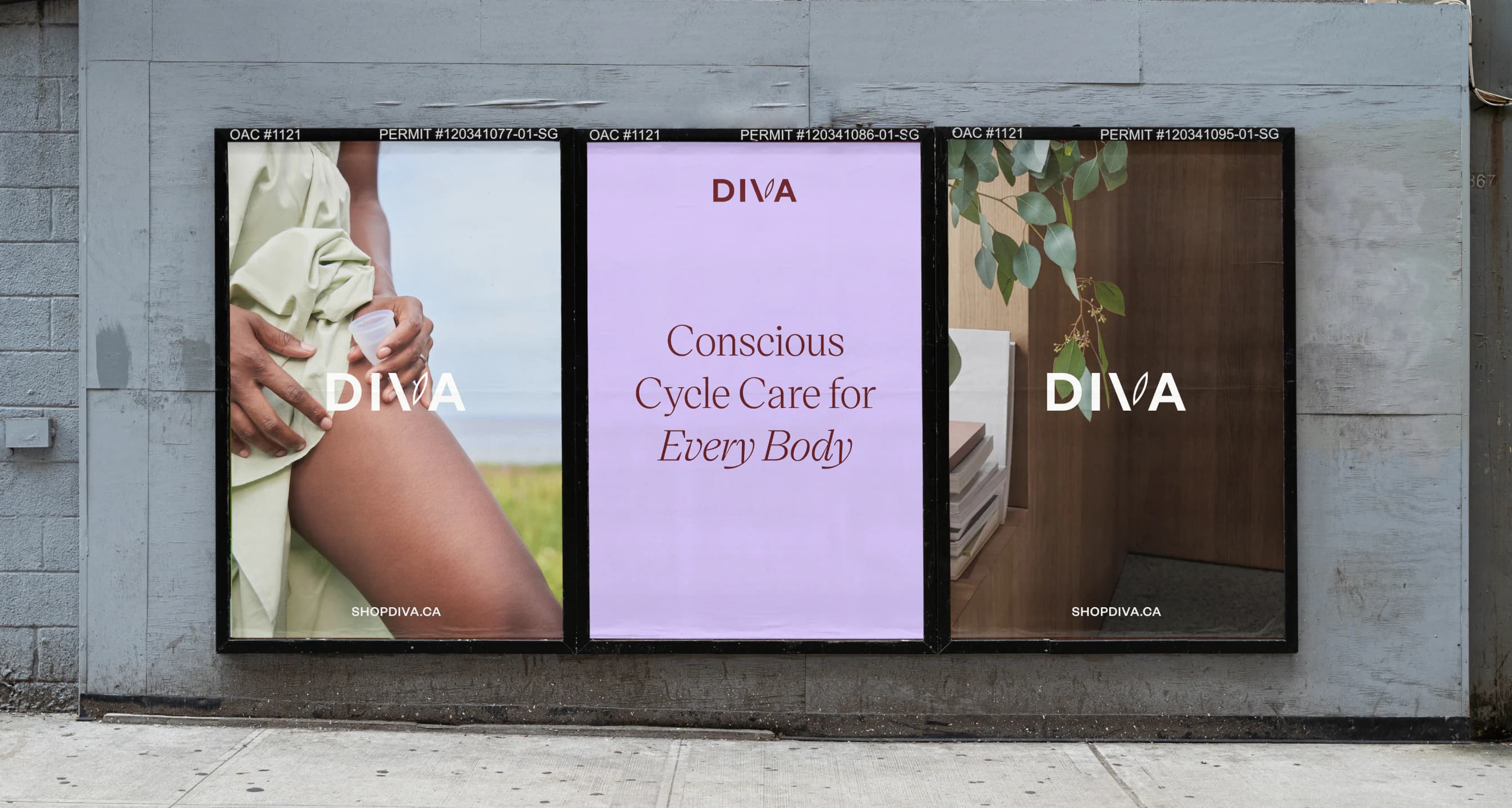
DIVA is the rebrand we point to inside our own work. Nicolas led that strategy as Head of Strategy, North America. DivaCup was a product name doing a brand's job. The work took it to DIVA, positioned as the conscious cycle care partner rather than a single cup. Several separate e-commerce sites consolidated into one. Sales rose more than 150 percent following the relaunch.
What made it a rebrand and not a refresh is what moved underneath. The physical product did not change. The category the business was allowed to compete in did, and the positioning had to catch up before any of the visual work could ship.
How to tell which one you need
Most people think they need a rebrand when what they actually need is a refresh. Boredom is not a strategic reason to reopen the foundation of a brand. In the teams we speak to the reverse is more common: they scope a refresh over a positioning problem. A refresh is the version leadership approves without a longer conversation.
Every engagement we take on opens with a diagnostic, and the diagnostic asks three questions in order.
Does the positioning still hold at the size the business is now? If it does, the work is expression and the scope is a brand refresh. If it does not, is the positioning actually wrong, or just unwritten? A positioning nobody committed to paper fails the same way a wrong one does, and it costs far less to fix.
Then: what is the business going to do next that the brand has to survive? A funding round, a new market, a founder stepping back. The scope is sized to that decision, not to the deliverable somebody already named. Same discipline as the five questions we ask before we quote.
The cost of picking wrong
A refresh scoped over a broken position buys eighteen months of quiet. Then the same meeting happens again, with less budget and less patience.
A rebrand scoped out of boredom spends recognition the brand took years to earn, on a problem the audience never had.
The number that decides this is not the price of either project. It is the cost of running the wrong one and then having to run the right one afterward.
Origine is a brand strategy studio built to hold the whole line, from the diagnosis through to the work that ships. If the brand sits between refresh and rebrand and the room cannot agree which, that is where the conversation starts.
Where this report lands
Three things to do next in your own brand
- I
Read the deck against the site against the shoot folder.
Put the three side by side. Where the voice shifts, the drift has already started. Fix the deck first, that is where new business sees you.
- II
Ask the team what is on brand and see if the answers match.
Three people, same question, same afternoon. If the answers rhyme, the foundation is holding. If they collide, the standard is already in the founder's inbox.
- III
Name the one decision the team keeps routing through you.
If it is the same decision every week, the implementation plan is missing. That is the layer that lets the team run without you. Start there.
If any of this sounds familiar
Start a conversation with the studio.
- →Forty-five minutes, unpaid, on the record
- →A read of the current positioning as we see it
- →Where the drift is and why it started
- →What a real foundation would deliver, if it fits
- →Clear scope and a real number, no fog