The shoot went well. The images came back polished, the grade is consistent, the feed looks composed. Then the content goes out and nothing moves. No lift in attention, no new conversation, no one deciding this brand is worth a closer look. The work looks right and still does not do anything.
It is a strange kind of disappointment, because nothing obviously went wrong. The photography is good. The editing is good. The budget was spent the way it was supposed to be. And the brand is no more legible than it was before the camera arrived.
The folder nobody uses
You have probably seen the folder. Two hundred frames come back, and the team quietly builds from thirty. The rest are technically fine and quietly wrong, a little off-tone, a little off-audience, a little too close to what three competitors already posted this month. They sit in a shared drive and get opened once.
The feed that results is consistent in color and hollow in story. The images could be swapped with a competitor's and nobody would notice. They stop no one mid-scroll. Worse, the pattern repeats: the next shoot is briefed the same way, produces the same folder, and the team slowly stops believing that content spend does anything at all. This is not a talent problem, and it is not a budget problem. The problem sits earlier than the shoot, before anyone picked up a camera.
What creative direction actually decides
Here is what actually happened. The content was produced before anyone decided what it was for.
A production company answers a brief. It does not challenge one. Hand it a shot list and it will deliver the shot list, faithfully and on time. What it cannot do is ask the question that decides whether any of it matters: what does this brand mean to the person seeing it, and what should they feel that they feel about no one else in the category?
When that question goes unasked, the work has no filter. Every frame is defensible and none is necessary. Direction was missing, so the camera defaulted to what looks good on the day instead of what is true about the brand. The result is competent, and competent is not the same as chosen.
A strategic brief answers three things first
Before a good shoot, someone has decided the answers to three questions, and written them down where the camera can be held to them.
- 1What does the brand mean, past what it sells?
- 2Who is the work for, and what do they feel here that they feel about no one else?
- 3What must every frame do to earn its place?
A brief that answers those is a filter. A brief that only lists deliverables is a wish, and that difference decides everything that happens on set.
Professional stopped being the difference
This used to matter less. Production quality was itself a signal, and a brand that invested in a real shoot looked visibly ahead of one that did not.
That gap has closed. The same tools, templates, and polish are available to every brand in a category now. Clean and professional is the baseline, not the edge. When everyone can produce a good-looking frame, the good-looking frame stops being the reason anyone chooses you.
What separates the brands people keep choosing is not production value. It is intent, a reason behind the frame that a competitor cannot copy by hiring the same photographer. Intent is not added in the edit. It is decided before the camera comes out, and it survives to the final frame only when the person who holds the strategy also directs the work.
We decide what a brand means before we decide how it looks
We work in the other order.
Every project starts as strategy: what the brand stands for, who it has to move, and what the work has to say that no competitor could say in its place. Only then does the shoot get planned, because now there is something to plan against. The camera is not the start of the work. It is the proof the thinking was right.
That is the difference between a studio that thinks and a vendor that shoots. The thinking is the product. The images are how you know it worked. And when the same mind holds the strategy and directs the set, nothing is lost on the way from the idea to the frame, because there is no handoff for it to get lost in. That is what a creative campaign built on strategy is, rather than a shoot with a brand's logo on it.
What that looked like for Joy Wellness
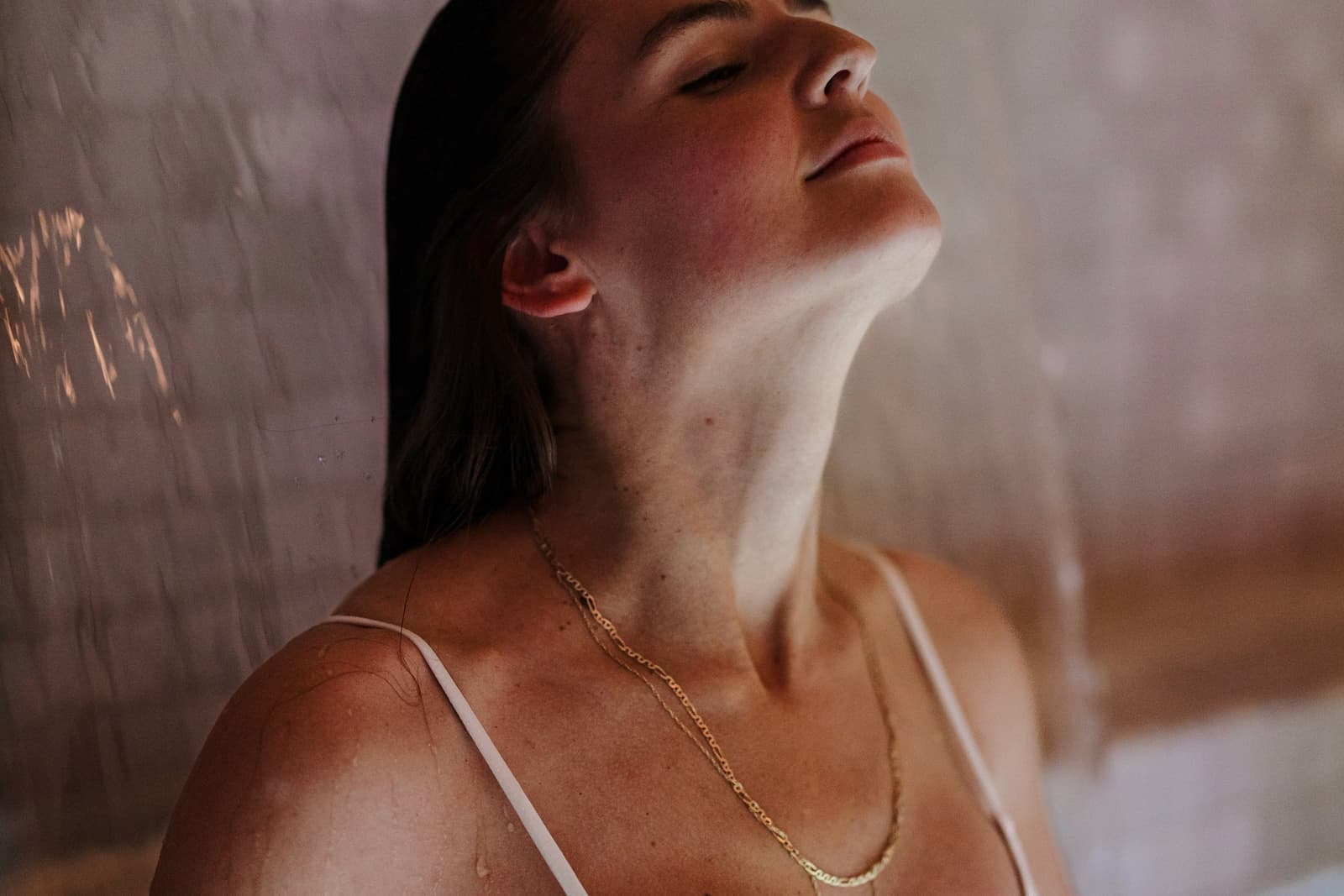
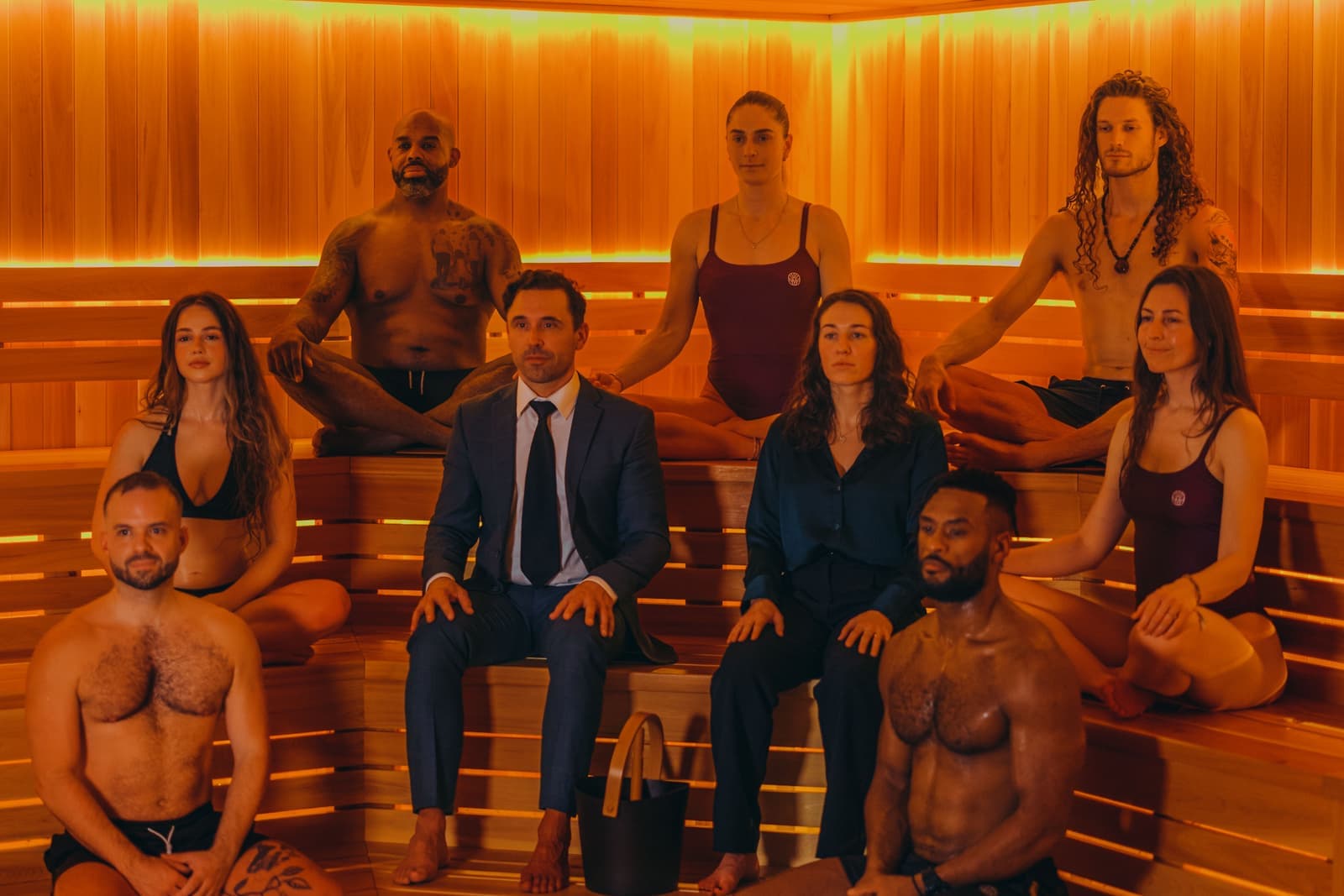
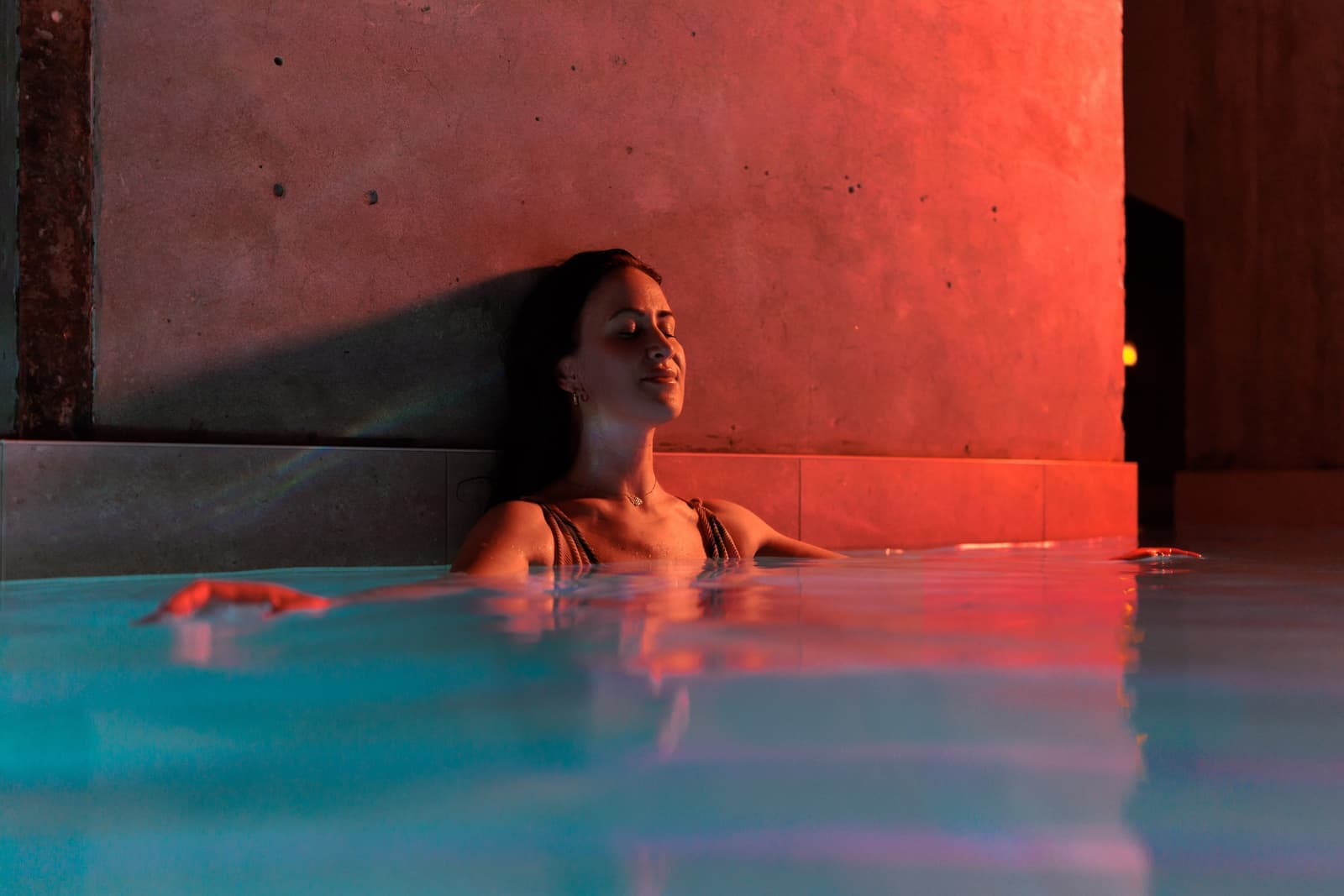
A wellness club in Montreal came to us days before its first campaign, the moment a brand makes its first impression on the world. Every spa in the city sells the same picture: steam, wood, eyes closed. We set one standard before the shoot existed. Make someone want to see themselves in it.
That led to a decision that was strategic, not aesthetic. The person in the frame would wear a suit. Joy's real audience was not the person who already lives in wellness spaces. It was the professional downtown who has not yet given themselves permission to. So we built an emotional direction for each room, pride after the cold plunge, stillness under the red light, and directed every frame against one question. Does this make that person want to be here?
The images became the brand's entire visual foundation, across its site, its social, its paid campaigns, and its press. The Noovo Moi national feature alone reached 3.7 million. Three downstream agencies built their own launch work on the creative direction we set. None of that came from a better camera. It came from deciding what the brand meant before deciding how it would look.
Where this starts
If the content looks right and still is not working, the gap is almost never in the production. It is in the decision that should have come first, the one a camera cannot make for you.
That decision is where we begin. If something here sounds like your situation, that is where we start.