The first meeting looks like a call about a project. Somebody on the other side has scoped a piece of work in their head, or been asked by leadership to scope one, and they want to know what a partnership with us would cost. The invitation is friendly and the ask is specific.
We answer it, but not right away. Before any number is real, we run the conversation through five questions. Their job is to expose whether the project the buyer is asking for is the project the brand actually needs. Half of the time it is. Half of the time, the project shifts on this call and the number goes with it. Either outcome is a good outcome. What we cannot afford, and what we will not price, is a scope that will show up in market and quietly fail because the layer underneath it was wrong.
1. What is the business decision this brand has to survive?
Every brand project is downstream of a business decision. A funding round is closing, a new market is opening, or a category is consolidating. A founder is stepping back and the next tier of leadership needs to be able to hold the brand without them. The decision may be six months old or six months away, but there is always one. And the brand work will be judged, quietly, by whether it made that decision easier or harder for the business.
The buyer often does not name the decision on the first call. Sometimes they do not know which one it is. Naming it out loud changes everything about the scope, because the scope has to be sized to the decision, not to the deliverable. A logo refresh in the shadow of a funding round is a different project than a logo refresh in the shadow of a founder handover. The word on the invoice is the same. The work is not.
2. Who is the reader you have to move that you keep failing to move?
Every brand has a reader they cannot afford to lose and a reader they cannot afford to keep. The first one is the reader the work is for. The second one is the reader the work quietly attracts by accident, and whose approval the team keeps optimizing for because they are louder or closer or in the room.
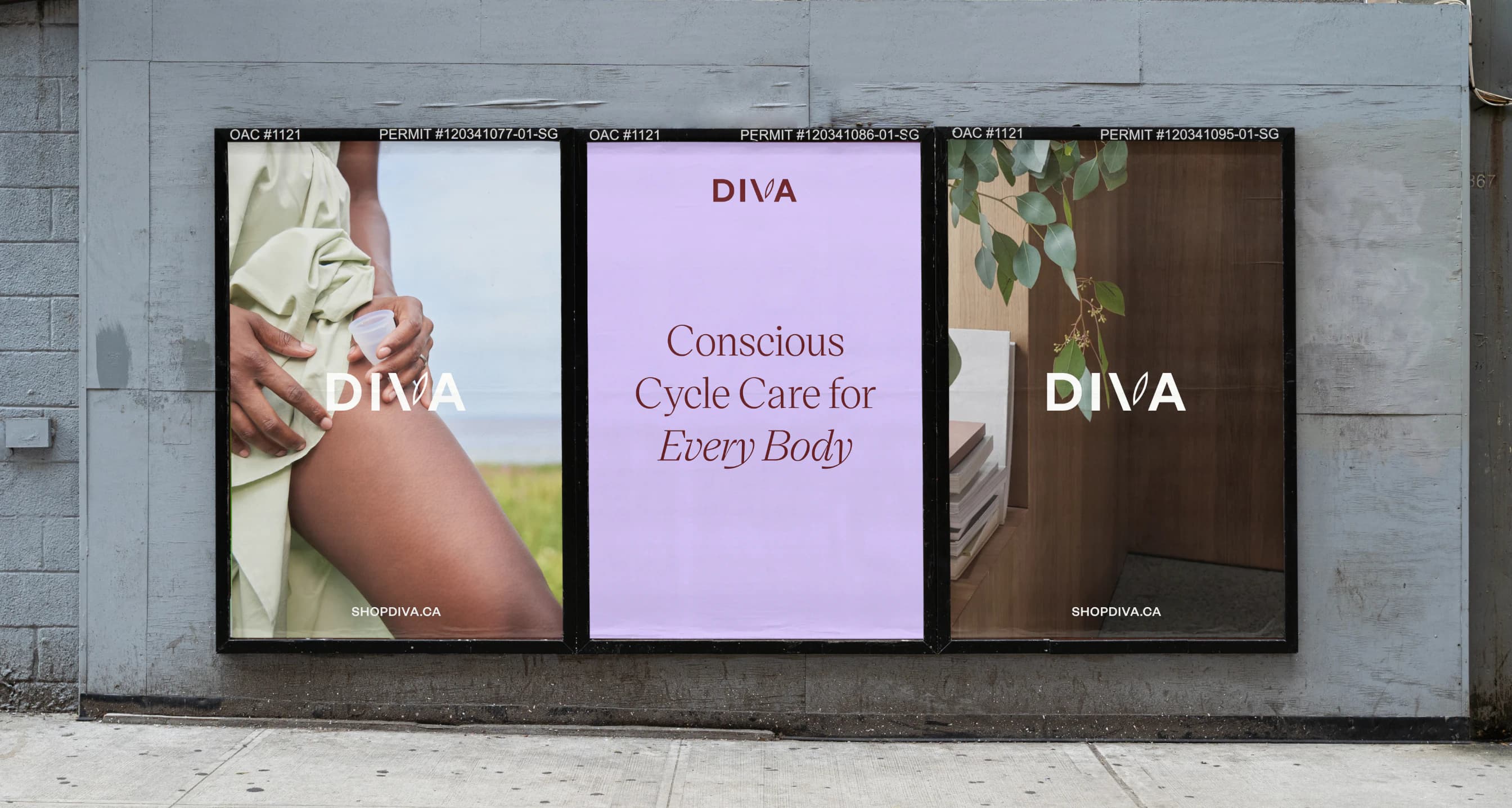
The question forces a real answer to a real audience choice. Not the demographic. The belief. A wellness brand's real reader is not the person who already lives in wellness. It is the professional who has not yet given themselves permission to. A jewelry brand's real reader is not the person who has always bought jewelry. It is the person who wants to belong to a lineage they were not born into. Naming the reader changes what the work is trying to do, and that changes what the work has to look like. The first of those two readers is the one Joy Wellness was built to move.
3. What does the team already believe about the brand that we would need to un-set?
Every brand carries a set of internal assumptions that were true at an earlier stage and are quietly holding the brand at that stage now. The founder built the company on one word, and the team has been running on that word for six years, and the word is no longer the argument the market rewards. Nobody has told the founder because the word is theirs.
We ask this question because if the assumption is not surfaced, the strategy will re-inherit it, and the whole project will be building on the same layer that is broken. Surfacing it is not a diplomatic move. It is an engineering move. The most expensive assumption in the room is always the one that goes unstated.
4. What is the closest thing this project has to a wrong turn we should not repeat?
Most of the teams we work with have hired at least one brand partner before us. Some of them have hired several. There is a version of this project that already happened, and the version that failed usually failed for one identifiable reason. The team knows it. They are usually reluctant to name it, because naming it costs a relationship or admits an expensive mistake.
We ask because the wrong turn is more useful than the brief. The brief tells us what the team wants us to do. The wrong turn tells us what will kill the project if we walk into the same wall. The teams that name it early are the teams whose next project lands.
5. What is the number that would make this feel like a bet you are glad you made?
The last question is about the number, but not the number the buyer is imagining. It is the number that, twelve months from now, would make the buyer glad they made the call. Sometimes the buyer's honest answer is well above the number they were bracing to hear from us. Sometimes it is well below. Either way, the honest answer moves the scope, because now the scope has to earn the number rather than fit inside a ceiling nobody has tested.
We do not ask this question to anchor the price. We ask it to decide whether the project is a project. A number that is not tied to a business decision is not a real number, and pricing a project against an unreal number is how a partnership starts on a floor that cannot support what the work eventually needs.
Why we do this before we quote
The number we send back after this call is calibrated to the decision behind the project, the reader the work has to move, the assumption we will need to unset, the wrong turn we know to avoid, and the payoff the buyer is holding out for. It is not calibrated to the scope in the initial email. That is the point. The scope in the initial email is a hypothesis. The quote is what we would sign for after we have tested the hypothesis on a call together. What we scope against those answers is brand strategy work: positioning, messaging, and the identity that carries them.
If the picture we described sounds like the conversation the brand needs to have, that is where we begin.